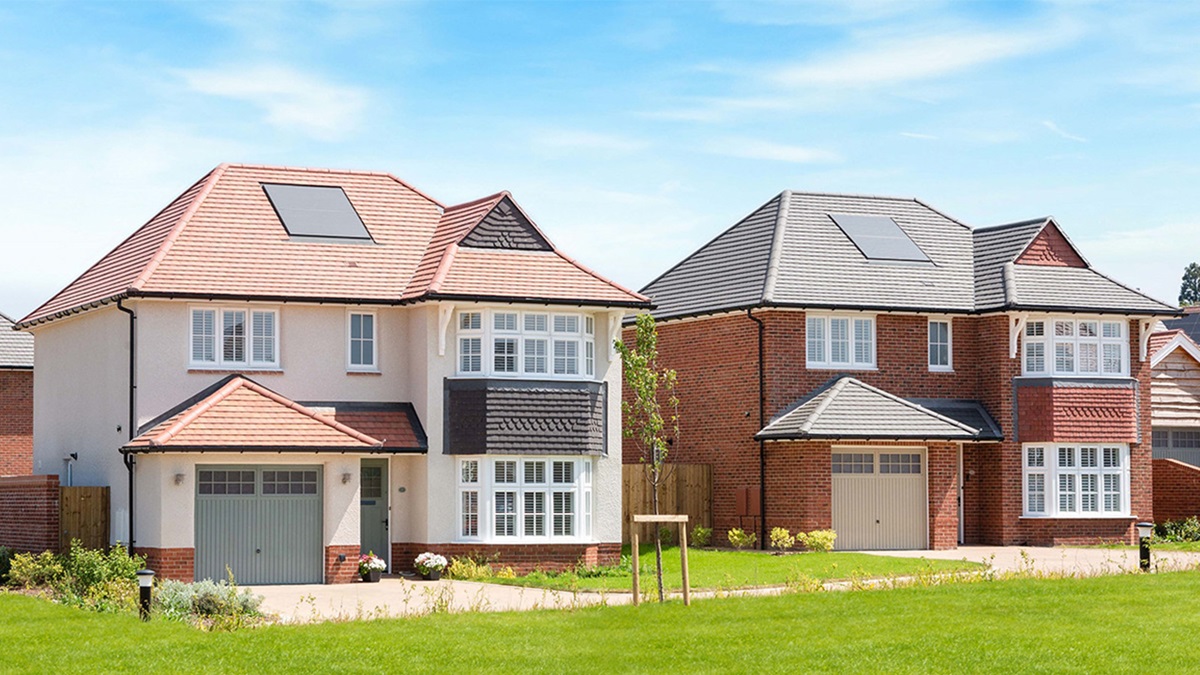
While every home performs differently, energy-efficient design may influence comfort, energy consumption and environmental impact. If you'd like to learn more about energy-efficient homes, we've answered some of the most common questions about how they work and the features that can influence energy performance.
Key takeaways
- Reducing energy loss. Energy-efficient homes are designed to reduce energy loss and support lower energy consumption
- Measuring energy performance. EPC ratings provide a standard way to compare the energy performance of homes
- Improving energy efficiency. Insulation, glazing, heating systems and ventilation can all help to improve energy efficiency
- Using smart technology. Technologies such as solar panels and smart controls can support energy performance
What is an energy-efficient home?
An energy-efficient home is designed to reduce energy loss and make effective use of the energy it consumes. While older properties can improve energy efficiency through features such as insulation, heating systems and window glazing, newer homes are often built to current energy-performance standards. According to the HBF Watt a Save report, average new-build homes use around 30% less energy than older existing homes.
This means homes that include features such as insulation, efficient glazing and modern heating systems may require less energy for heating, lighting and everyday household activities. However, energy use will vary depending on factors such as the property itself and how it is occupied.
Why are some homes more energy efficient than others?
A home's energy performance can depend on factors such as its age, construction, insulation levels, heating system and installed technologies. Features such as insulation, window glazing, heating systems and ventilation can all affect how efficiently a property uses energy. Homes built to current building regulations are required to meet energy-performance standards, which are designed to help reduce energy demand.
Features that can influence energy efficiency
As mentioned above, a range of features can influence a home's energy efficiency. These include heating controls and other smart technologies, as well as the following:
|
Feature |
How it may influence energy performance |
Key considerations |
|
Insulation |
Can help reduce heat loss through walls, roofs and floors |
Quality, thickness and installation |
|
Double or triple glazing |
May reduce heat transfer and draughts |
Glazing specification and frame quality |
|
Heating systems |
More efficient systems may require less energy to operate |
System type, age and controls |
|
Solar panels |
Can generate renewable electricity on-site |
Roof suitability and energy usage patterns |
|
Airtightness |
May reduce unwanted heat loss through gaps |
Should be balanced with effective ventilation |
|
Smart controls |
Smart technology can help households monitor and manage heating settings |
User preferences and occupancy patterns |
What is an EPC rating and why does it matter?
An Energy Performance Certificate (EPC) is a document that assesses a property's energy performance. It provides a rating from A to G and gives buyers a consistent way to compare homes. According to HBF research, many new-build homes achieve an EPC rating of A or B, which are the upper bands of the EPC scale.
While energy costs and consumption vary between households, an EPC can offer useful insights into a property’s energy-related features. For instance, a new build with an EPC rating of A or B costs around £1,574 a year to power, compared with £1,995 for a D-rated older home.
EPC rating bands explained
EPC ratings range from A to G, with A being the most energy efficient and G being the least. An A-rated property generally indicates a very strong energy performance compared with G-rated homes which are often associated with the need for improvement.
To find an EPC, use the GOV.UK website.
How can energy-efficient homes help reduce running costs?
Homes that lose less heat may require less energy for heating and other household activities than homes with lower levels of insulation or greater heat loss. Features such as insulation, double or triple glazing and efficient heating controls can help support energy performance. However, actual household energy costs will also depend on factors such as energy prices, weather conditions and individual usage habits.
Which technologies improve home energy efficiency?
Energy-efficient technology can support sustainable energy usage and help to improve performance. From smart heating controls to renewable energy systems, there are a few technologies you may want to use in your home:
- Solar panels can generate renewable electricity from sunlight
- Smart thermostats may help homeowners manage heating schedules more effectively
- LED lighting typically uses less electricity than traditional incandescent bulbs
- Ventilation systems can support air circulation while helping manage heat loss
- Air Source Heat Pumps can provide heating using energy drawn from the outside air
- Smart meters and controls can help households monitor energy consumption
The effectiveness of energy-efficient technology depends on factors such as the property and how they are used.
Energy efficiency improvements to prioritise
If you're considering making improvements to your current home or a potential new property, there are a few you may want to prioritise. These can include:
|
Improvement |
Things to consider |
Purpose |
|
Loft insulation |
Existing insulation levels and property type |
Helps reduce heat loss through the roof |
|
Wall insulation |
Construction type and installation requirements |
May improve thermal performance |
|
Heating controls |
Compatibility with existing heating systems |
Can help households manage heating usage |
|
Double or triple glazing |
Window specification and installation costs |
May help reduce heat transfer and draughts |
|
Solar panels |
Roof suitability and energy usage patterns |
Can generate renewable electricity on-site |
|
LED lighting |
Existing lighting setup |
Typically uses less electricity than traditional incandescent bulbs |
|
Heat pump installation |
Property suitability and installation requirements |
Provides an alternative heating solution |
Energy efficiency vs sustainability: what's the difference?
Energy efficiency focuses on reducing the amount of energy needed to operate a home. This may include improving insulation, reducing heat loss or using more efficient technologies. Sustainability on the other hand is broader and considers factors such as materials, resource use, biodiversity and long-term environmental impact. Energy efficiency can support sustainability goals, but the terms are not interchangeable.
How do energy-efficient homes support environmental goals?
Reducing energy consumption may help lower some of the carbon emissions associated with running a home. Measures such as insulation, efficient heating systems and renewable technologies can help reduce operational energy use and, depending on the energy source used, may contribute to lower associated emissions. While outcomes vary between properties and households, improving energy efficiency can support wider efforts to reduce energy demand. However, these measures do not assess a home's wider environmental impact across its full lifecycle.
FAQs
-
An EPC rating may be one of several factors buyers consider when comparing properties. Buyers will often take a range of factors into account when assessing a home, including location, size, condition and local market conditions.
-
In the UK, an EPC is normally valid for 10 years from the date it is issued. Property owners may choose to obtain a new certificate sooner if energy-related improvements have been made to the home.
-
Renewable technologies such as solar panels may contribute positively to an EPC assessment. However, EPC ratings consider a range of factors, including insulation, heating systems, lighting and overall building performance.
-
No. An EPC rating provides an indication of energy performance based on standard assessment methods. Actual energy costs vary depending on household size, energy prices, weather conditions and personal usage patterns.
-
No. Energy efficiency focuses on reducing the amount of energy needed to operate a home. Net zero refers to balancing greenhouse gas emissions produced with those removed or offset. Improving energy efficiency can support net zero goals, but the terms mean different things.
Scheme availability, eligibility criteria and property details are subject to change. Please check with our Sales Experts for the most current information on available homes and support options.
This article is for general informational purposes only and does not constitute professional advice. Please speak with a mortgage, financial or legal adviser for more information regarding your specific circumstances.
Indicative figures, based on Government and Octopus Energy data in the HBF “Watt a Save” report published January 2026, which provides annual average usage figures for existing homes vs new-build homes in the UK.
You may also like:
-

Smart homes and technology
Nov 28, 2025 -

Ideas for a cosy home
Aug 05, 2025 -

Timeless interiors: sustainable style
Jun 18, 2025


