Key takeaways
- What is the Arts & Crafts movement? The Arts & Crafts movement emerged in response to industrialisation and promoted traditional craftsmanship
- What materials feature in Arts & Crafts homes? Natural materials such as brick, stone and timber are often used
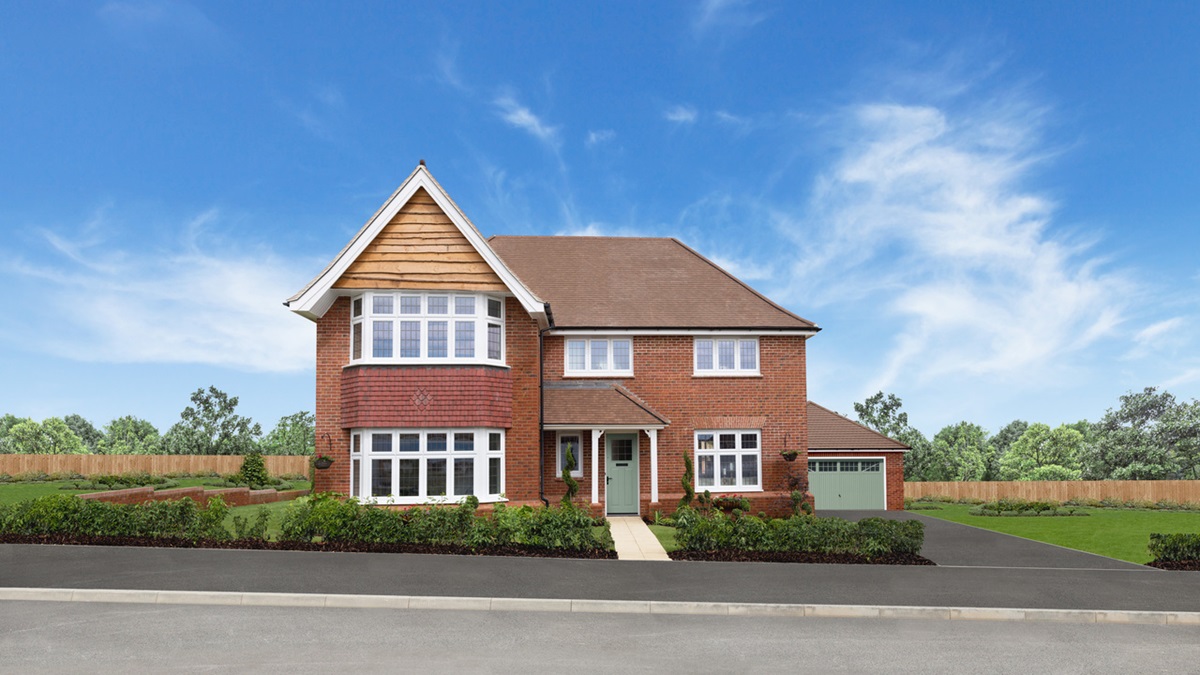
- What are the common architectural features of Arts & Crafts homes? Decorative brickwork, bay windows, chimneys and steep roofs are common design features
- How do modern homes incorporate Arts & Crafts features? Contemporary homes may incorporate Arts & Crafts features alongside modern technology
What is the Arts & Crafts movement?
The Arts & Crafts movement began in Britain during the late 1800s as a response to growing industrialisation. As mass production became more common, architects, designers and craftspeople sought to promote traditional skills, quality materials and thoughtful design.
One of the movement's most influential figures was William Morris, whose work championed the idea that homes should combine beauty with practicality. This philosophy shaped not only architecture, but also furniture, interiors and decorative arts.
At the heart of the movement was a belief that well-designed homes should be both functional and attractive. These principles continue to influence modern architecture today, particularly in developments that draw inspiration from traditional British design.
'Have nothing in your house which you do not know to be useful or believe to be beautiful' – William Morris
What are the key features of an Arts & Crafts home?
Arts & Crafts style homes are recognised for their distinctive architectural details, quality materials and focus on individuality. While every property is different, many share these common characteristics.
|
Feature |
Description |
|
Steeply pitched roofs |
Prominent rooflines designed to create visual interest and architectural character |
|
Decorative brickwork |
Detailed brick patterns and contrasting materials that showcase craftsmanship |
|
Bay windows |
Projecting windows that increase natural light and enhance kerb appeal |
|
Leaded glazing |
Traditional window designs featuring decorative leadwork |
|
Large chimneys |
Often prominent architectural features that contribute to the home's silhouette |
|
Natural materials |
Brick, stone, timber and clay tiles used throughout the design |
|
Handcrafted detailing |
Decorative features designed to highlight workmanship |
|
Asymmetrical layouts |
Varied shapes and elevations that create individuality and interest |
Many of these design principles continue to influence modern homes. Redrow's Better by Design approach includes thoughtful layouts and architectural details that bring character to new homes.
Exterior features commonly associated with Arts & Crafts homes
An Arts & Crafts style home displays a range of distinctive external features, including:
- Dropped eaves that create depth and visual interest
- Projecting plinths that emphasise craftsmanship
- Decorative timber brackets beneath rooflines and porches
- Covered canopies above entrances
- Tall chimneys that add character to roofscapes
- Asymmetrical façades with varied architectural elements
- Heritage-inspired detailing that reflects traditional British architecture
Interior design characteristics
The Arts & Crafts movement also influenced how homes were planned and arranged internally, with traditional characteristics often including:
- Practical layouts designed around everyday living
- Generous windows that maximise natural light
- High-quality joinery and woodwork
- Built-in storage solutions
- Natural materials throughout the home
- Strong connections between indoor and outdoor spaces
Many contemporary homes reinterpret these ideas through flexible living areas and layouts designed to suit modern family life.
Why does the Arts & Crafts style remain popular today?
The lasting appeal of Arts & Crafts style homes comes from their ability to balance character and practicality. Rather than following short-term design trends, the style focuses on features that continue to appeal to homeowners generation after generation. Many buyers are drawn to the look of an Arts & Crafts style home, from distinctive rooflines to decorative brickwork and carefully considered architectural details.
How Arts & Crafts principles influence modern home design
Although lifestyles have changed significantly since the late Victorian era, many Arts & Crafts principles remain relevant to modern housing. New builds inspired by Arts & Crafts architecture often combine the style's aesthetics with modern construction methods, smart home features and multi-use spaces.
Traditional features adapted for contemporary living
When combining Arts & Crafts principles with modern living, many new builds may adapt the traditional features.
|
Traditional Arts & Crafts feature |
Modern interpretation |
|
Large bay windows |
Energy-efficient glazing that maximises natural light |
|
Decorative brick detailing |
Heritage-inspired brickwork crafted using modern construction methods |
|
Prominent chimneys |
Chimneys remain architectural focal points that preserve traditional proportions |
|
Handcrafted joinery |
High-quality manufactured finishes that reflect traditional craftsmanship |
|
Distinctive rooflines |
Characterful designs that accommodate modern roof insulation standards |
|
Garden-focused layouts |
Developments designed around green spaces and outdoor living |
|
Natural ventilation |
Modern ventilation systems that support airflow throughout the home |
|
Traditional materials |
Quality materials chosen for durability and sustainability |
How to identify Arts & Crafts architecture when house hunting
When viewing homes, several signs may indicate an Arts & Crafts influence, such as:
- Steeply pitched roofs
- Decorative brickwork and contrasting materials
- Bay windows that increase natural light
- Leaded glazing
- Prominent chimneys
- Decorative timber detailing
- Asymmetrical elevations
- Traditional building materials such as brick, stone and timber
While not every home will include all of these characteristics, properties influenced by the Arts & Crafts movement often place a strong emphasis on craftsmanship, individuality and visual appeal.
Arts & Crafts homes vs contemporary homes
Arts & Crafts homes and contemporary homes differ in several ways. From roof design to materials, we’ve outlined the key differences below.
|
Feature |
Arts & Crafts homes |
Modern contemporary homes |
|
Design philosophy |
Craftsmanship, individuality and quality |
Simplicity, innovation and modern aesthetics |
|
Architecture |
Characterful detailing and varied elevations |
Clean lines and minimal ornamentation |
|
Roof design |
Steep pitches and varying rooflines |
Flat or simple roof profiles |
|
Layout |
Practical but compartmentalised spaces |
Open-plan arrangements for flexible living |
|
Visual character |
Warm, traditional and decorative |
Sleek, minimalist and streamlined |
|
Relationship with gardens |
Strong connection to outdoor spaces |
Often focused on maximising internal living areas |
|
Long-term appeal |
Heritage-inspired and timeless |
Modern and future-ready |
What are garden village principles?
Garden village principles emerged from a belief that communities should be planned around both people and nature. Influenced by the wider Garden City movement, which was a 20th-century urban planning approach, these ideas encouraged neighbourhoods to combine attractive homes with greenery.
Arts & Crafts architects embraced many of these concepts, designing homes that sat comfortably within landscaped settings. Modern developments frequently incorporate open spaces, walkable neighbourhoods and community-focused design features that encourage outdoor activity and social interaction. These principles can help create places where residents feel a stronger sense of belonging and enjoy a better quality of life.
FAQs
-
Maintenance requirements will vary depending on a property's age, materials and condition. Older Arts & Crafts homes may require more specialist upkeep due to traditional building methods and period features. Modern homes inspired by the Arts & Crafts style often combine heritage design with contemporary features.
-
Yes, individuality was one of the movement's defining principles. Architects sought to avoid uniformity and instead created homes that reflected their setting, materials and intended occupants.
-
Arts & Crafts architecture often uses natural materials such as brick, stone, timber and clay tiles.
-
Yes. Many modern new-build homes incorporate architectural features inspired by the Arts & Crafts movement. Decorative brickwork, attractive rooflines, bay windows and carefully considered streetscapes all reflect these principles.
-
Arts & Crafts homes are often regarded as timeless because they prioritise quality materials, thoughtful proportions and enduring architectural details.
This article is for general informational purposes only and does not constitute professional advice. Please speak with a mortgage, financial or legal adviser for more information regarding your specific circumstances.
You may also like:
-

New build timeline: our build stages
Oct 12, 2023 -

Why is open plan living so popular?
Jun 21, 2023 -

What is a garden village community?
Apr 13, 2023


