Cleaning, protecting and maintaining the outside of your home
If you’re the proud owner of a beautiful new Redrow home, we know how important it will be for you to keep it looking as pristine as possible.
Whether it’s a classic facade on a Heritage Collection home, a clean and bright Inspired Collection exterior, or any home from our range, lots of external areas of your home will benefit from regular care to keep them looking and functioning at their best.
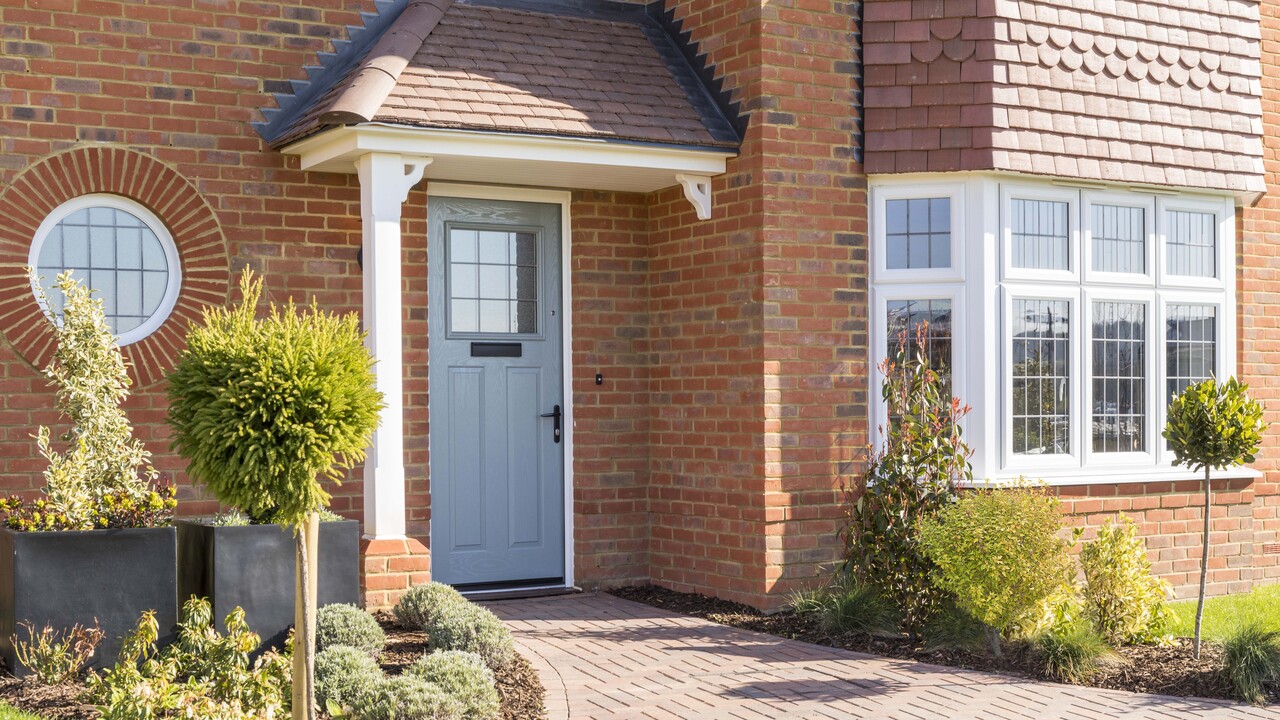
How to maintain your new home’s driveway
Though it might not be the first thing that comes to mind, keeping your driveway clean and neat can add serious kerb appeal to your new home.
Check your drive regularly for weeds (particularly around the edges) and moss (particularly in shaded areas). If you do spot any weeds, you should spray them with an appropriate bee-friendly weed killer and then very gently scrape away each weed, being careful not to disturb the surface itself. Don’t pull out any roots, as pulling them up might cause damage; instead, apply an appropriate root killer.
If you have a block paved driveway, it only needs to be swept occasionally and treated with a bee-friendly weed killer (please note you might need to top up the joints with sand every so often). Tarmac surfaces need to be swept and can also be cleaned. Remove any garden debris from your driveway to avoid problems with weeds.
Maintenance of any manholes on your driveway is your responsibility as the homeowner. It’s normal for metal manhole covers to go rusty over time.
How to prevent damage to your driveway
For brand new tarmac driveways, please wait at least 48 hours before driving on any freshly laid tarmac, as vehicles could indent the surface. Pedestrian footfall won’t cause any damage and you’ll be able to walk on it almost immediately after it was laid.
Please also note that tarmac takes 12 months to fully oxidise and reach optimum strength. Before this 12-month period, it’s easier to mark the surface – so bear this in mind during the first year or so of living in your new home.
Heavy goods vehicles, vehicle jacks, skips, ladders, rigid caravan feet, bike kickstands and other point loads can all apply pressure in small, localised areas, causing indentations on tarmac surfaces. Don’t place any point loads on your driveway unless you have strong boards or mats underneath to spread the weight more evenly.
Don’t service your car on your drive. Large spills of chemicals (e.g., petrol, diesel or oil) could weaken your driveway and cause cracks in the surface, which may require professional repair. If a petrol/diesel spill occurs, immediately use water to dilute it. If oil is spilled, attempt to soak it up with sawdust or sand. Small splashes of chemicals won’t affect the integrity of the surface and can be brushed away with a soft brush and lukewarm water.
Another tip to keep your driveway as pristine as possible is to make sure your car is moving before turning the steering wheel. After a period of time, turning circles caused by wheels being turned in a stationary position can cause scuffing/marking of the surface or cause tarmac to break up, especially in warmer weather.
How to maintain new home windows and doors
In your new home, your front door and window frames just need a wipe from time to time with a soft cloth and soapy water.
Take care when cleaning windows to make sure the equipment you’re using is in good condition and you follow safety advice about working at height. If you, or any professional, clean first floor windows, don’t lean a ladder against guttering.
To keep your sliding patio doors working properly, you just need to grease the runners occasionally. Spraying the mechanisms in your garage up-and-over door with a silicone spray will help keep them moving freely. Don’t use oil or grease as this will trap dust and grit.
To learn more about the proper operation and care of your new windows and doors, see our dedicated guide on 'How to use the windows and doors in your new home.'
Maintaining new fencing
Within the first two years in your home, you’ll need to make sure any external timber is painted or stained to keep the wood in good condition. After treating the first time, you’ll only need to do this again every four or five years.
Please be aware that the colour you paint or stain the wood may be restricted in your covenants, so check with your development team first.
New home gutter maintenance
Your gutters will need to be checked regularly for the build-up of any leaves or debris and any blockages removed.
To delve deeper into the specifics of gutter care, consult our comprehensive guide on 'How to clean and maintain new home gutters.'
External tap maintenance
In general, try to keep the external tap clear from debris and free from dirt or rust. To stop the pipe to your outside tap from bursting in cold weather, you just need to carry out these steps:
- Turn the shut off valve 90° with a screwdriver.
- Turn the tap on to remove any water still in the pipe.
- Once the weather has improved, the supply to the tap can be turned back on.
- Remember to turn the tap itself off first.
To ensure your external tap is ready for the colder temperature, read our guide 'How to prepare your outside tap for winter.'