How to maintain mastic sealant
Mastic sealant is vital for protecting your home from moisture and mould, sealing everything from windows to bathroom fixtures. Regular checks and timely maintenance are essential to ensure it continues to keep your home in top condition.
Crucial for preventing moisture ingress and inhibiting mould growth, mastic sealant acts as your home's flexible line of defense. Ensuring its integrity is key to preserving your property's condition and air quality.
This guide will walk you through identifying signs of wear and the simple steps to effectively maintain and replace your mastic, safeguarding your home for years to come.
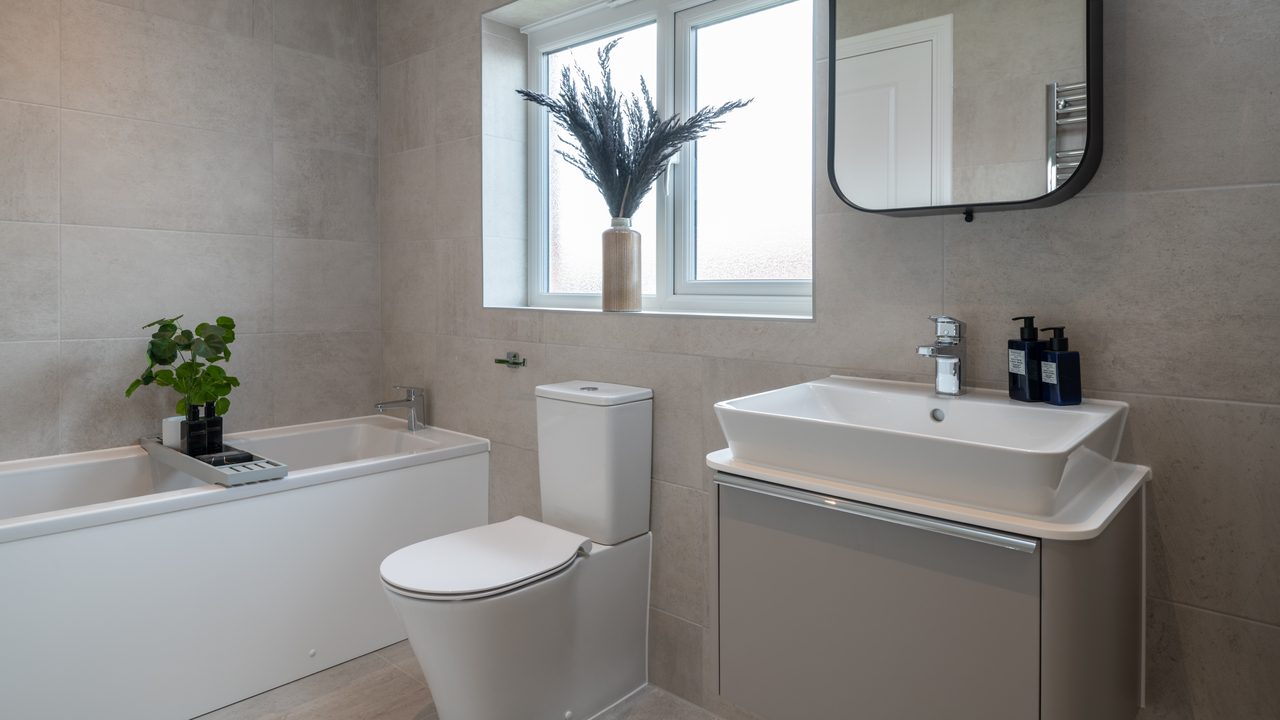
Mastic sealant is found all around your new home, from fixtures in your bathroom to the edges of your windows. But what is mastic, and how should you maintain it?
Watch our video tutorial on maintaining mastic sealant in a new build or read our step-by-step guide below.
What is mastic?
Mastic is a type of sealant that’s commonly used in new homes to fill gaps or bond two materials together. You’ll probably spot it around the edges of windows and in your bathroom. Its adhesive and flexible nature means it’s great at keeping water out and stopping the growth of damp and mould.
You will need to check on mastic sealant regularly as it can wear away over time. It’s important to repair or replace mastic when it’s degraded to keep your home in tip-top shape.
What to look for when checking mastic
There are a few telltale signs to spot degraded or old mastic that might need replacing. It might seem obvious, but it’s a good idea to start by checking areas that are used more regularly for signs of wear and tear.
Some of the common signs of worn mastic include:
- Visible mould on or around the sealant. This is a sign that the mastic might not be functioning properly and is letting moisture in.
- Gaps where the mastic has pulled away from the surface. This happens naturally over time but can cause bigger problems if it’s not replaced.
- Bulging or bubbling under the mastic can indicate it’s not fully sealing the gap.
How to replace mastic
The good news is it’s easy to replace worn mastic sealant yourself. You can buy good-quality mastic sealant from your usual DIY shop - make sure to get a mould-resistant formula to get the best protection. You can replace mastic yourself and it is readily available from most major DIY stores. We’d always recommend using a good quality, mould-resistant sealant to guarantee the best protection and long-lasting finish.
If you have any questions about the mastic in your new home, contact your local Redrow team for any help.