Safeguarding your home
Feeling safe and secure in your new home is an essential, and we understand that making sure your new house is safeguarded can seem like a daunting task. We’ve put together this guide to help you make your new home safe and secure.
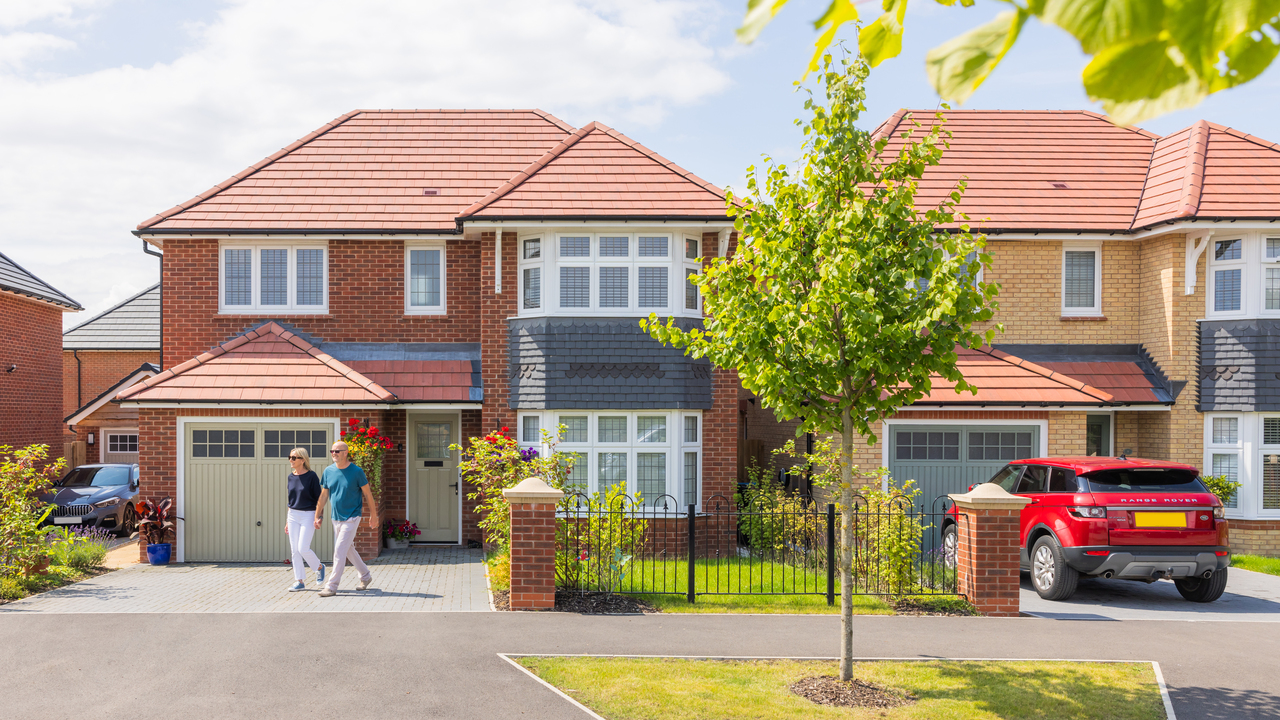
Following these few simple precautions, coupled with the features we’ve installed already in your new property, will give you the confidence that your new home is safe and sound.
Safety features in your new home
When you get your keys to the new Redrow home, the property will have:
- Multi-point bolts or 5-lever security locks to entrance doors.
- Window locks.
- Mains powered smoke detectors.
- Carbon monoxide detectors (where required).
- Shut off valves or switches for water, gas and electrical services.
If we’ve installed an alarm system in your home, we recommend you use it as much as possible and read all the information from the manufacturer. If there’s prewiring for an alarm, installing one in the future will help to reduce your insurance premium
General home safety tips
Always make sure you arrange a building and contents insurance policy with sufficient cover. Don’t leave small items, such as car keys or wallets, where they can be easily seen or accessed. Write your details on any valuable items using a marker or ‘invisible’ pen and keep a record of serial numbers. This can help the police trace your possessions if they are ever stolen.
Outside your home:
- Store all garden tools securely, especially ladders.
- Don’t leave side gates open.
- Lock your garage.
- Don’t keep any spare keys outside your home.
Home safety tips when you go on holiday
If you go on holiday, or are away from your home for any length of time, there are a few key safety tips to remember:
- Turn off the water at the main stopcock.
- Turn your heating down to a low temperature in the colder months rather than switching it off completely.
- Turn off your hot water.
- Make sure you’ve unplugged all electrical items.
- Make use of your alarm system (where installed).
- Lock your windows with the keys provided.
- Use an automatic timer switch to turn a radio or lamp on.
- Tell one of the neighbours that you’re going away so they can keep an eye on things for you.
- Cancel any regular deliveries, like milk or papers.
Fire safety in your new home
As standard, your home is fitted with one or more interconnected smoke detectors with a battery back-up in case of a power cut. If a fire starts in your home, get everyone out and call the fire brigade. Close doors and windows if you can do so safely. We advise to:
- Regularly test and vacuum any detectors in your home.
- Put out candles and cigarettes properly and don’t use heaters with a flame or element.
- Don’t store things around your electrical consumer unit or overload electrical sockets.
- Plan two emergency escape routes so you and your family can get to safety.
- Make sure window keys are easy to find.
Gas safety in your new home
For homes fitted with gas, where required, your home is fitted with a carbon monoxide (CO) detector, which will sound an alert on detection of this odourless, tasteless gas. If your CO detector sounds or you think you can smell gas, you should call the National Grid’s free 24 hour gas emergency number, 0800 111 999. We also advise to:
- Open any doors and windows.
- Don’t use any electrical switches (including light switches).
- Don’t smoke, light matches or use anything with a naked flame.
- Turn off your gas supply at the meter.
DIY Safety
DIY in a new home is inevitable! You’ll want to make your new home your own. When carrying out any DIY, take care to make sure you and your home are kept safe. Our top tips:
- Buy a cable detector from a DIY shop before hanging anything on your walls. This will help locate electric cables and copper pipework. We’ve also fitted metal tape behind any plastic pipework so it can be detected.
- Use a picture hook for hanging light items on your wall. However, for heavier pieces it’s best to check with a DIY specialist that you’ve got the right fixing.
- Make sure any tools you’re using aren’t damaged and are suitable for the job.
- Use safety equipment, such as dust masks or goggles.
Electrical safety in your new home
You may not be aware that there are regulations limiting how changes to your home’s electrical installation are made. The Electrical Safety Council has plenty of useful information to make sure you stay safe in your new home. Unless work is carried out by a registered installer, the local council needs to approve any alterations you’ve made.
Make sure you:
- Check that plugs are properly earthed and have the correct fuse.
- Don’t overload power sockets.
- Avoid overstretching cables and replace damaged ones.
- Don’t cover transformers for downlighters. These get very hot Use a plug-in residual current device (RCD) when using power tools.
Take a moment to walk through your home and identify one thing you can do to improve its safety. Whether it's testing your smoke alarms, securing a window, or creating a fire escape plan with your family, every small step makes a difference.