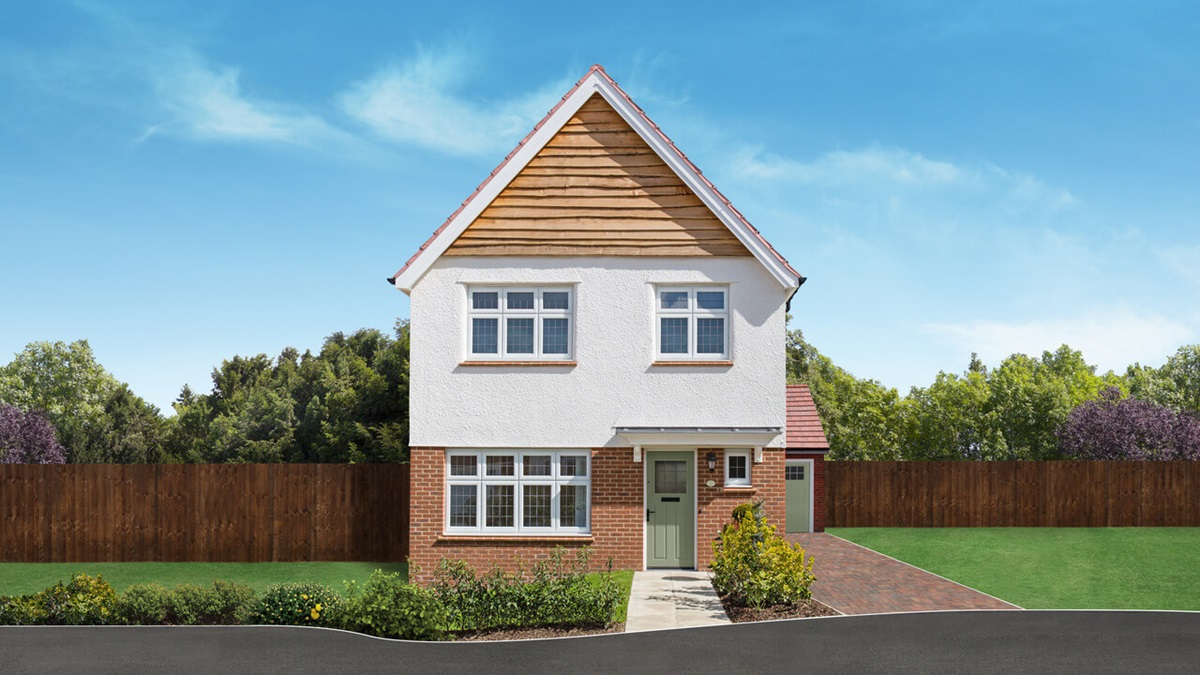
Downsizing, sometimes called rightsizing, is the process of moving to a home that better matches your current needs, routines or lifestyle. For many people, this is simply about finding a space that feels more manageable, more suitable for daily life or more aligned with long‑term plans.
The five points below highlight common themes people reflect on when exploring whether a smaller home could be a better fit. They’re not rules or recommendations, just practical reflections that many households may find helpful when thinking about their next move.
Key takeaways
- Some households notice that parts of their home are rarely used
- Rising or unpredictable running costs may encourage people to reflect on their space needs
- A smaller home can feel easier to maintain for people with busy or changing routines
- Accessibility needs sometimes change over time, which can prompt a rethink of the layout
- Lifestyle changes can influence housing needs or preferences
1: You no longer make the most of your space
Underutilised rooms can prompt people to review their space needs, especially when heating, cleaning or maintaining unused areas becomes less practical for their lifestyle. You may have rooms that are used only occasionally, former bedrooms that have become storage spaces, or areas that no longer serve a clear purpose.
Assessing underused rooms in your home
Here are some ways to identify underused space in your home:
- Making a note of which rooms you use weekly
- Identifying spaces used mainly for storage
- Checking whether you have duplicate rooms serving the same purpose
- Considering how often guest rooms or hobby spaces are used
- Thinking about whether your current rooms match your current routines
2: Your regular household costs feel harder to manage
Some people choose to downsize their home when regular costs such as heating, upkeep or insurance feel more challenging to balance within their monthly budget. These costs can vary depending on the property, location and personal circumstances.
Ongoing costs of owning a home
- Utilities and heating
- Council tax
- Home insurance
- Routine repairs, ongoing maintenance or servicing
3: You would prefer a home that requires less maintenance
For many people, the time and effort involved in maintaining a larger property can feel less manageable over the years, especially if work schedules, responsibilities or personal circumstances change. Maintenance needs vary depending on the home’s size and who lives there, but it’s common for households to assess whether they still want the level of upkeep their current home requires.
This is not linked to any one age group or type of household. Anyone experiencing a shift in free time, energy, workload or priorities might feel that a lower‑maintenance home could better suit their needs.
Factors that may contribute to this include large gardens or outdoor spaces, exterior painting or repairs, roof care and guttering, heating or boiler maintenance, and larger areas or multiple floors that require more cleaning.
4: Your home layout doesn’t meet your accessibility needs
Accessibility needs can change for many reasons, including lifestyle, health, mobility, family dynamics or personal preferences. Homes with several floors, steep driveways or narrow hallways may feel more difficult for some individuals over time, while single‑floor layouts can feel more comfortable.
Accessibility needs are not exclusive to any particular age group. Anyone, at any stage of life, may reassess how well their home supports day‑to‑day movement and comfort.
5: Your lifestyle has changed
A change in lifestyle can lead people to explore downsizing. This could include wanting more time and money to travel, preferring to live closer to family or friends, or a desire to reduce day‑to‑day upkeep. Others may want a home that better reflects their current routines and priorities.
Lifestyle changes are personal, and there is no universal timeline; people downsize at different life stages for many different reasons.
Reflecting on whether it’s time to downsize
- Do you find yourself drawn to different locations or lifestyles?
- Would a simpler or smaller layout feel easier to manage?
- Are you looking to live closer to certain people or places?
- Do you anticipate changes to your daily routine in the future?
Downsizing checklist
- You regularly use fewer rooms than you once did
- You’ve noticed a change in your household routines
- Your home’s upkeep feels more demanding than before
- Running costs feel harder to balance
- Accessibility or layout requirements have changed
- You’re considering a move to a new area or location
- You’re looking for a simpler or more manageable space
- Lifestyle changes have shifted your priorities
- You’d prefer more flexibility or free time
- You’re curious about homes that better suit your current needs
FAQs
-
People often reflect on how well their current space aligns with their everyday routines. This could involve thinking about room usage, maintenance levels, location, or overall manageability. There’s no single indicator, and decisions are often shaped by personal circumstances over time.
-
No. Downsizing can happen at any stage in life. Some people downsize to reduce maintenance, while others may move to be closer to work or family, and some simply want a home that suits a new routine.
-
Not necessarily. Costs can depend on many factors, including the size and type of the new home, location, energy efficiency and market conditions. Many people review their regular expenses as part of their research, but outcomes can vary from person to person.
-
There is no specific time that suits everyone. Some people explore downsizing before retirement, and others review their options at entirely different points in life. The decision usually depends on personal preferences, lifestyle changes and future plans.
-
Some households find that expenses such as heating, insurance or maintenance are reduced when moving to a smaller property, but this varies.
-
Downsizing usually refers to moving to a smaller property. Rightsizing can mean choosing a home that better suits your lifestyle, whether that means upsizing, downsizing, or choosing a home with a different layout.
Our Guides and Inspiration blog aims to provide information you may find useful as you explore your homebuying options. However, the articles are for general informational purposes only and do not constitute professional financial, legal or mortgage advice. Speak with independent financial and legal advisers regarding your specific circumstances.
Scheme availability, eligibility criteria and property details are subject to change. Please check with our Sales Experts for the most current information on available homes and support options.