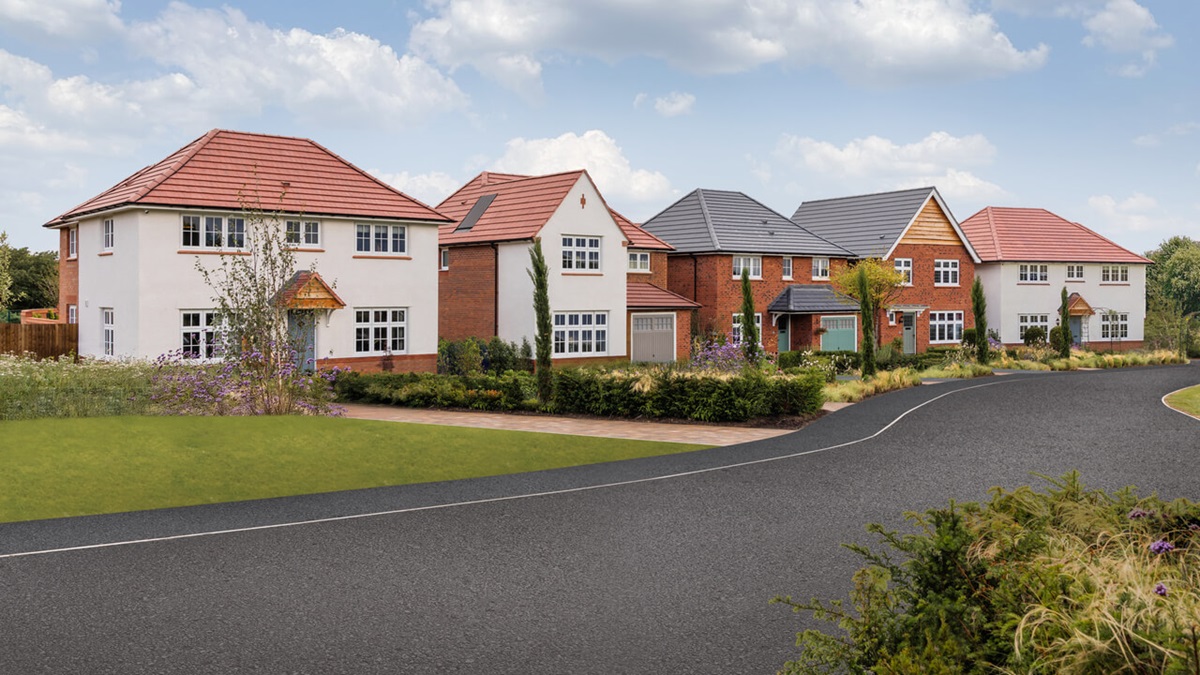
Are you considering buying a brand-new home? New‑build properties often feature open‑plan layouts, are designed with contemporary living in mind and may require lower initial maintenance.
This guide explores some of the key benefits of buying a new build, as well as a few practical considerations.
Key benefits at a glance
While features vary depending on the housebuilder and the property, new builds may appeal to homebuyers due to the following:
-
Energy efficiency – modern building standards and enhanced insulation could reduce your running costs
-
Protection – many come with a NHBC warranty and insurance policy that covers structural defects
-
Smaller chains – while external factors can still delay timelines, new builds can offer a more straightforward buying process
-
Contemporary design – flexible, open-plan layouts and new fixtures can provide a sleek aesthetic and support modern living
-
Potentially lower initial maintenance – brand-new structures, fixtures and fittings usually mean you don't need to worry about replacement or remodelling costs when you first move in
Energy efficiency
Thanks to modern construction standards, many new homes are built with energy efficiency in mind, which could reduce your running costs. This can include:
-
Insulation – installing comprehensive insulation in walls, roofs and floors to help minimise heat loss
-
Airtightness – sealing the building envelope to prevent drafts and to help keep heat from escaping
-
Window and door quality – using high-performance windows and doors with thermal efficiency
-
Orientation – optimising the home's layout to maximise natural light indoors and reduce energy consumption
Warranties and consumer protection
Many new homes come with NHBC warranty and insurance protection.1 This includes:
-
Structural warranty for the costs of repairing any damages that result from structural or weatherproofing failures
-
Fixtures and fittings warranty for any issues or defects that may occur within the first two years
Customisation options
Depending on the housebuilder and when you reserve, you may be able to customise certain elements of your new home, such as flooring and kitchen worktops.
Lower initial maintenance
One of the practical advantages of purchasing a new build is the minimal maintenance typically required in the early years.
From the structure to the appliances, electrics and plumbing, everything is usually new. This means you’re less likely to face immediate costs such as replacing windows or updating kitchens, which are common considerations for buyers of older properties.
Smaller chains
When purchasing a new build, there’s no onward chain because the home you’re purchasing is empty. Fewer parties involved could mean fewer potential delays and a more streamlined process.
Comparison of new-build and older properties
|
Aspect |
New builds |
Older properties |
|
Energy efficiency |
Typically designed to achieve an EPC rating of B or higher |
Often have lower EPC ratings2 |
|
Warranty and insurance |
Often includes structural and developer warranties |
May have limited or no warranty3 |
|
Early maintenance |
Less likely to need early repairs or replacements |
More likely to require early maintenance |
|
Customisation |
Options often available before completion, depending on the housebuilder and the build stage |
Changes typically made after moving in
|
Potential considerations before buying a new-build home
New homes can offer significant benefits; however, there are a few practical considerations to keep in mind during the buying process.
Snagging and minor issues
Snagging involves inspecting your new home for minor defects, cosmetic imperfections or areas of unfinished work. For example, cosmetic snags may include window scratches or paint splatters.
Although snagging generally focuses on smaller issues, the inspection may also identify deeper structural concerns. All issues need to be reported to the developer.4
You can instruct a qualified professional to carry out an inspection before or after legal completion.
Completion timelines
Build schedules can sometimes be affected by factors such as weather or supply chain pressures, so clear communication from the housebuilder regarding realistic completion estimates can be crucial.
Developing surroundings
New construction may continue on neighbouring plots after you move in. Communication between the housebuilder and the homebuyer can help set clear expectations from the start.
Step-by-step guide to purchasing a new-build home
While every journey differs, buying a new home usually involves several key steps:
- Explore and reserve – view properties or show homes, choose your plot and pay a reservation fee to secure your home
- Instruct your solicitor – choose a conveyancer experienced in new-build transactions
- Choose your options – work with the housebuilder to select your personalised finishes (subject to build stage)
- Exchange contracts – this typically occurs once your solicitor has raised any enquiries and is satisfied with the answers. With new builds, exchange may take place before construction is complete
- Pre-completion inspection – instruct a qualified independent inspector to view your home and flag any items requiring attention
- Legal completion – the final funds are transferred and you receive your keys
You can learn more about the homebuying process here.
FAQs about buying a new-build home
-
The NHBC Buildmark warranty offers:
-
Fixtures and fittings warranty – The housebuilder covers the first two years of the warranty, meaning defects or issues with fixtures and fittings will be fixed by them
-
Structural warranty – after two years, homeowners will receive eight years of warranty from the NHBC. This covers the cost of repairing any damage caused by structural or weatherproofing failures in your new home
-
-
Timelines vary depending on the build stage and your housebuilder. Clear communication about estimated completion times can help you plan ahead, although these may change as construction progresses.
-
Yes. Our Movemaker scheme is designed to help you sell your existing property. After you apply, we'll support the appraisal of your property and connect you with a dedicated expert to list and sell your home.
With Part Exchange, we may offer to purchase your current property if it meets our eligibility criteria.
Ready to discover your new home? Speak with our knowledgeable Sales Experts to explore our collection of characterful new homes and book your appointment.
Disclaimer:
Our Guides and Inspiration blog aims to provide information you may find useful as you explore your homebuying options. However, the articles are for general informational purposes only and do not constitute professional financial, legal or mortgage advice. Speak with independent financial and legal advisers regarding your specific circumstances.
Scheme availability, eligibility criteria and property details are subject to change. Please check with our Sales Experts for the most current information on available homes and support options.
References:
Related Articles
-

What is a new house?
Feb 06, 2026


