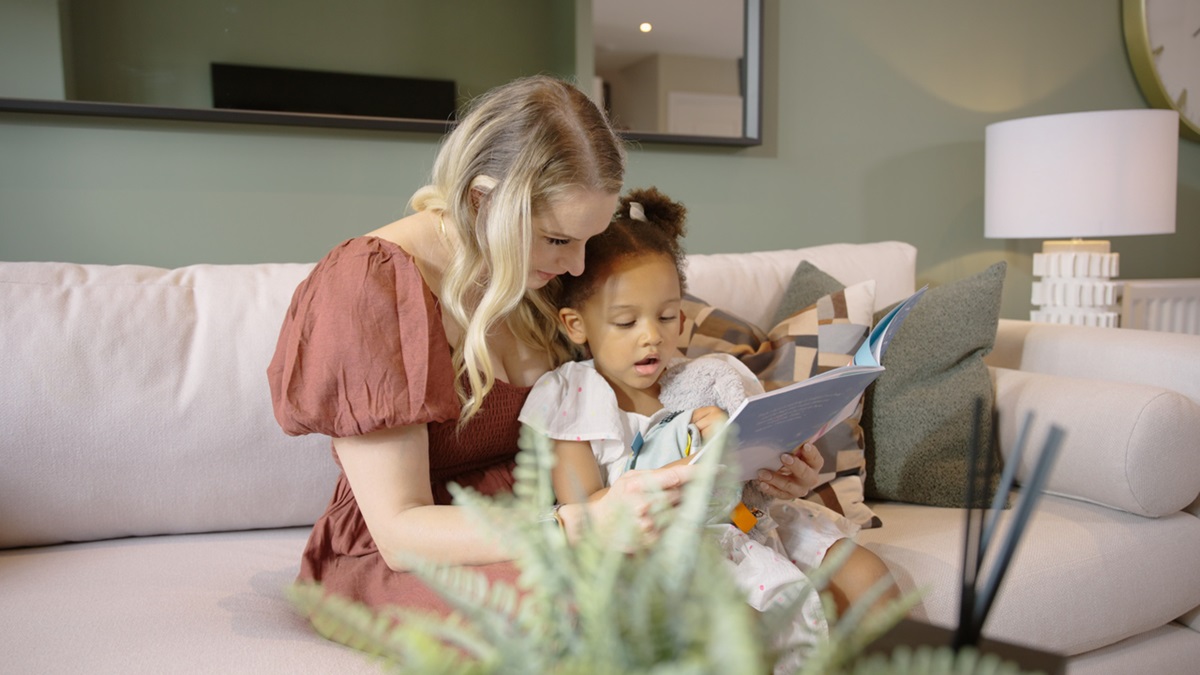
Parents can support children who are changing schools by preparing in advance, keeping communication open and creating calm, consistent routines at home to help the transition feel more manageable.
Whether your child is starting school for the first time, moving to a different year group or changing schools after a house move, a thoughtful approach can help them feel more confident and settled as they begin this new chapter.
Key takeaways
- Starting a new school can be a significant change for children.
- Preparation before the first day can help ease the transition.
- Consistent routines at home can provide stability during the first few weeks.
- Extra consideration may be needed when changing schools is part of a house move.
- Most children settle over time with steady support.
How to change schools in-year
Sometimes children need to change schools outside the usual transition points, such as during the school year or between less common year groups. This is often linked to moving home and is known as an ‘in‑year’ move.
In‑year school places are applied for either directly through the school or via the local council, depending on the type of school and local arrangements. Admissions processes can vary by area, so it is helpful to check your local council’s website, which will explain where and how to apply1.
Why starting a new school can be a big change
For many children, school is closely tied to routine, friendships and a sense of familiarity. Starting somewhere new can mean learning different rules, adapting to new expectations and building relationships from scratch.
Younger children may find the separation from their parents more noticeable when they don’t know anyone at their new school, while older children might be more aware of social dynamics and of fitting in with peers2.
Changes in the environment can also be stimulating. New classrooms, larger buildings or different teaching styles may take time to adjust to. Even positive changes can feel overwhelming at first, which is why patience and understanding are important during the adjustment period.
How to prepare before the first day at a new school
With a bit of planning and reassurance, parents and carers can help ease anxieties and build confidence ahead of a school transition. The following tips offer practical ways to get ready and ensure your child feels supported from day one.
1. Visit the school in advance
Whenever possible, take advantage of open days or arrange a brief visit in advance so your child can explore classrooms, playgrounds and other important spaces within the school. Experiencing the environment beforehand can help build familiarity and ease first‑day nerves.
2. Talk through the school day
Talk through what your child can expect from a typical school day, such as when the day starts and ends, the structure of lessons, break times, lunchtime routines and any after-school activities. This can help them feel more prepared, reduce uncertainty and provide a sense of security as they approach their first day.
3. Prepare uniforms and supplies early
Getting uniforms and supplies organised ahead of time can help avoid last‑minute panic and create a more relaxed start to their first few mornings.
4. Practise routines
Practise the morning routine a few days before term begins, including setting consistent wake‑up times and following your planned travel route to school. This helps your child become familiar with the start‑of‑day rhythm and reduces surprises on the first morning.
5. Encourage questions
Create an environment where children feel comfortable asking questions and expressing any concerns about starting their new school. Let them know that it’s normal to have worries and encourage open conversations so they feel supported and understood.
How to support children emotionally when starting a new school
Starting a new school marks a milestone for children and families. As parents and carers, you can provide emotional support to help children navigate these changes with greater confidence and resilience.
Listen without rushing
Encourage your child to share their feelings openly, no matter how minor their concerns may appear. Offering a listening ear and acknowledging their emotions can provide comfort and reassurance.
Acknowledge emotions
Reassure children that feeling nervous or unsure when beginning something new is completely normal and that many people experience these feelings.
Focus on the positives gently
Gently draw attention to the exciting possibilities ahead, such as exploring new subjects or joining different clubs and activities. At the same time, reassure your child that it's ok if they don't feel enthusiastic straight away; everyone adjusts in their own time.
Build confidence gradually
Support your child in developing independence by encouraging them to take small steps, such as packing their own school bag or preparing their uniform for the following day.
Helping children settle during the first few weeks at a new school
By providing reassurance and allowing time for gradual progress, parents can help children feel secure as they adapt to their new environment, particularly during the first few weeks.
Keep routines consistent
Maintaining consistent daily routines, such as bedtimes and mealtimes, can offer a reassuring sense of routine, helping children feel secure when so many other things are changing.
Stay in touch with the school
Teachers and school staff can usually provide helpful updates and reassurance on how your child is settling in throughout the school day.
Observe changes
Feeling tired or experiencing mood changes can be common as children adjust during the first few weeks at a new school. Parents can help by offering extra patience and understanding, ensuring their child gets enough rest and watching for signs that they may need further support.
Give it time
Settling into a new school is a journey that takes time and children often adapt at their own pace.
Making new routines work at home
Establishing new routines at home can make the transition to a new school smoother for both children and parents. By creating a structured yet flexible environment, families can foster a sense of stability and predictability.
|
Area |
Helpful approach |
|
Sleep |
Following a consistent bedtime routine and getting plenty of sleep can support concentration and energy levels. |
|
Homework |
Setting aside a regular, quiet time each day for children to complete homework can help build a productive habit. |
|
Mornings |
Preparing clothes and bags the night before to create a calmer start. |
|
After‑school |
Allowing space to relax before discussing the school day. |
Changing schools because of a house move
When children change schools due to a house move, they face the challenge of adapting to a new classroom and an unfamiliar neighbourhood. Spending time together exploring the local area – such as visiting nearby parks, playgrounds or community facilities that may become part of their new routine – can help them develop a sense of connection with their new surroundings.
Getting to know other families in the community through school gatherings, neighbourhood events or local clubs can help foster a stronger sense of connection and belonging over time.
FAQs
-
Every child is different, but many begin to feel more comfortable after a few weeks as their routines and surroundings become familiar.
-
Open communication, consistent reassurance and a steady routine at home can ease your child's transition to a new school. Encourage them to share their feelings and listen attentively. If worries persist after a few weeks, reaching out to school staff may help your child access further support.
-
Taking part in school activities, maintaining regular communication with teachers and showing genuine interest in your child’s everyday experiences can reinforce their sense of support and belonging at their new school.
Our Guides and Inspiration blog aims to provide information you may find useful as you explore your homebuying options. However, the articles are for general informational purposes only and do not constitute professional financial, legal or mortgage advice. Speak with independent financial and legal advisers regarding your specific circumstances.
Scheme availability, eligibility criteria and property details are subject to change. Please check with our Sales Experts for the most current information on available homes and support options.
References:
You may also like:
-

House builder federation star rating explained
Oct 05, 2026 -

The rules on Stamp Duty for second homes
Aug 05, 2026 -

Our guide to open-plan living
Aug 04, 2026


