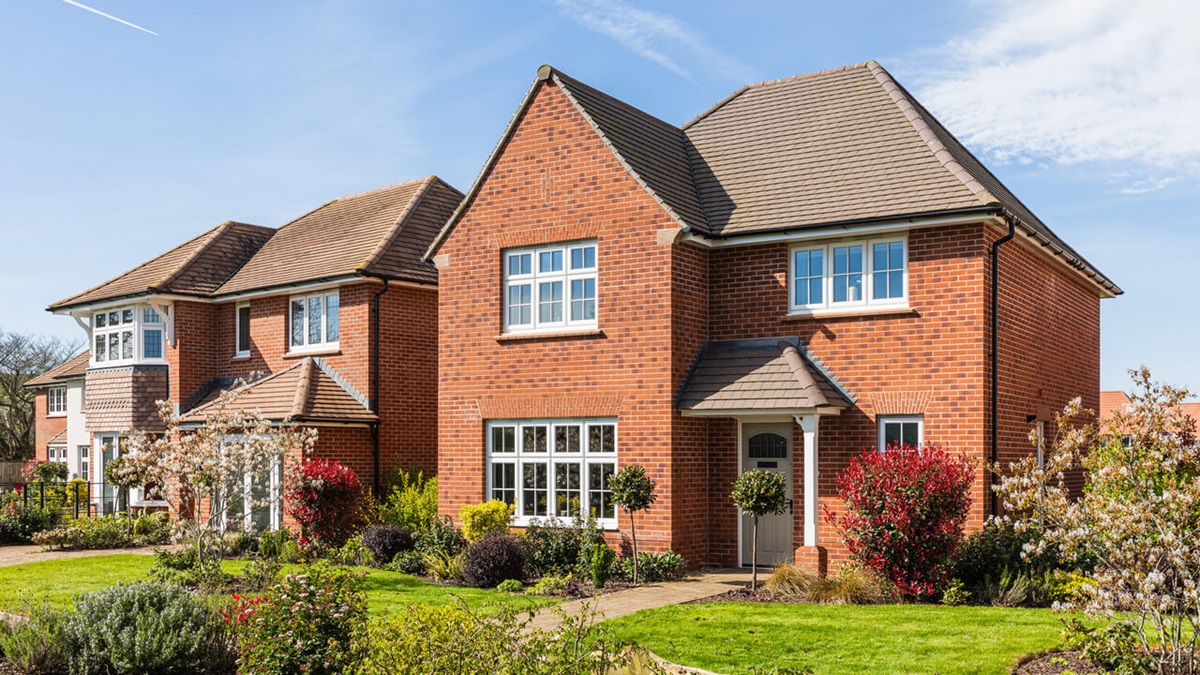
New homes are required to meet modern building standards and may include energy-efficient features and flexible living spaces, unlike some older properties. But preferences vary, and the right home type will depend on each buyer’s needs, budget and priorities.
The points below explore common features that some people consider benefits of new-build homes.
Key takeaways
- Many new builds incorporate spacious layouts
- Newer homes could require less immediate maintenance
- A warranty and insurance policy can provide additional reassurance
- Flexible or multi‑use rooms are often designed into newer properties
- Design styles vary, from modern to traditionally inspired exteriors
These are general characteristics of some UK new-build homes, but they are not guaranteed.
Energy efficiency
Government sources, including the Office for National Statistics (ONS), report that new-build homes tend to achieve higher Energy Performance Certificate (EPC) ratings than older properties.
Common features in many new builds may include:
- Higher levels of insulation
- Modern heating systems and improved glazing
- Air‑tight construction for reduced heat loss
These features could support lower energy bills and reduced running costs, depending on individual household habits and local energy tariffs.
Comfortable layouts
Many new-build homes place emphasis on open-plan layouts and versatile rooms that can be adapted over time. These spaces are often designed to support varied daily routines, from cooking and dining to working, socialising or spending time with family.
Typical features may include:
- Open-plan kitchen and dining areas
- Multi‑purpose family spaces
- Utility rooms for practical storage
- Bedrooms that can also serve as study or hobby spaces
These design choices can make newer homes feel flexible, especially for households whose routines change throughout the week.
Character and kerb appeal
Not all new homes follow the same design approach. Many buyers look for a balance between exterior character and modern interior comfort, and new-build developments often aim to blend familiar design cues with up-to-date layouts and construction techniques.
This might appeal to buyers who want:
- Classic kerb appeal with modern functionality
- Homes that blend traditional styling with new-build reliability
- Interiors to suit their living patterns
Design choices can vary widely between developments, and what appeals to one household may not appeal to another.
The benefits and considerations of buying a new-build home
What might appeal to homebuyers:
- Contemporary or traditionally inspired architectural details
- Modern fittings and finishes
- Energy-efficient features
- Considered layouts
Considerations to keep in mind:
- Some buyers prefer the character of older period homes
- New developments may still be establishing their communities
- Landscaping and surrounding amenities can take time to mature
Maintenance, warranties and insurance policies
A newer home often requires less immediate maintenance than one that has undergone years of wear. Many new homes are covered by the NHBC warranty and insurance policy for a set period. These policies can vary by provider and developer.
More potential maintenance‑related benefits of new-build homes can include:
- Newer appliances that are less likely to need repairs in the short term
- No need for immediate renovation or major refurbishment
- Materials and systems that meet current building standards
However, homeowners might still choose to make changes based on personal taste, and maintenance needs can vary from property to property.
Possible differences between new builds and older homes
|
New builds |
Older homes |
|
Often built to modern energy and insulation standards |
May have lower insulation levels depending on age and updates |
|
Typically include warranty and insurance policy |
Warranties may not be included |
|
Designed with contemporary lifestyles in mind |
Layouts may reflect the era in which they were built |
|
May need less immediate maintenance |
May require renovations or upgrades |
|
Surrounding areas may still be developing |
Neighbourhoods are often well‑established |
|
Range of modern finishes and fixtures |
Character features |
This table presents generalised differences; specific homes can vary significantly within each category.
FAQs
-
According to HBF data (January 2026), a brand-new home could be up to 21% more energy-efficient than an older home, meaning you could save up to £420 per year on your running costs†. However, energy performance can vary.
-
Most recognised warranties cover a set period, but coverage details can vary by provider. Our new homes are covered by the NHBC warranty and insurance policy, which offers a two-year builder warranty period and a further eight years of insurance cover. Buyers are encouraged to review the specific terms offered for any home they consider. Learn more about Redrow’s new home warranties here.
Disclaimer:
Our Guides and Inspiration blog aims to provide information you may find useful as you explore your homebuying options. However, the articles are for general informational purposes only and do not constitute professional financial, legal or mortgage advice. Speak with independent financial and legal advisers regarding your specific circumstances.
Scheme availability, eligibility criteria and property details are subject to change. Please check with our Sales Experts for the most current information on available homes and support options.
Indicative figures, based on Government and Octopus Energy data in the HBF ‘Watt a Save' report published January 2026, which provides annual average usage figures for existing homes vs new-build homes in the UK.
References: